Valentina
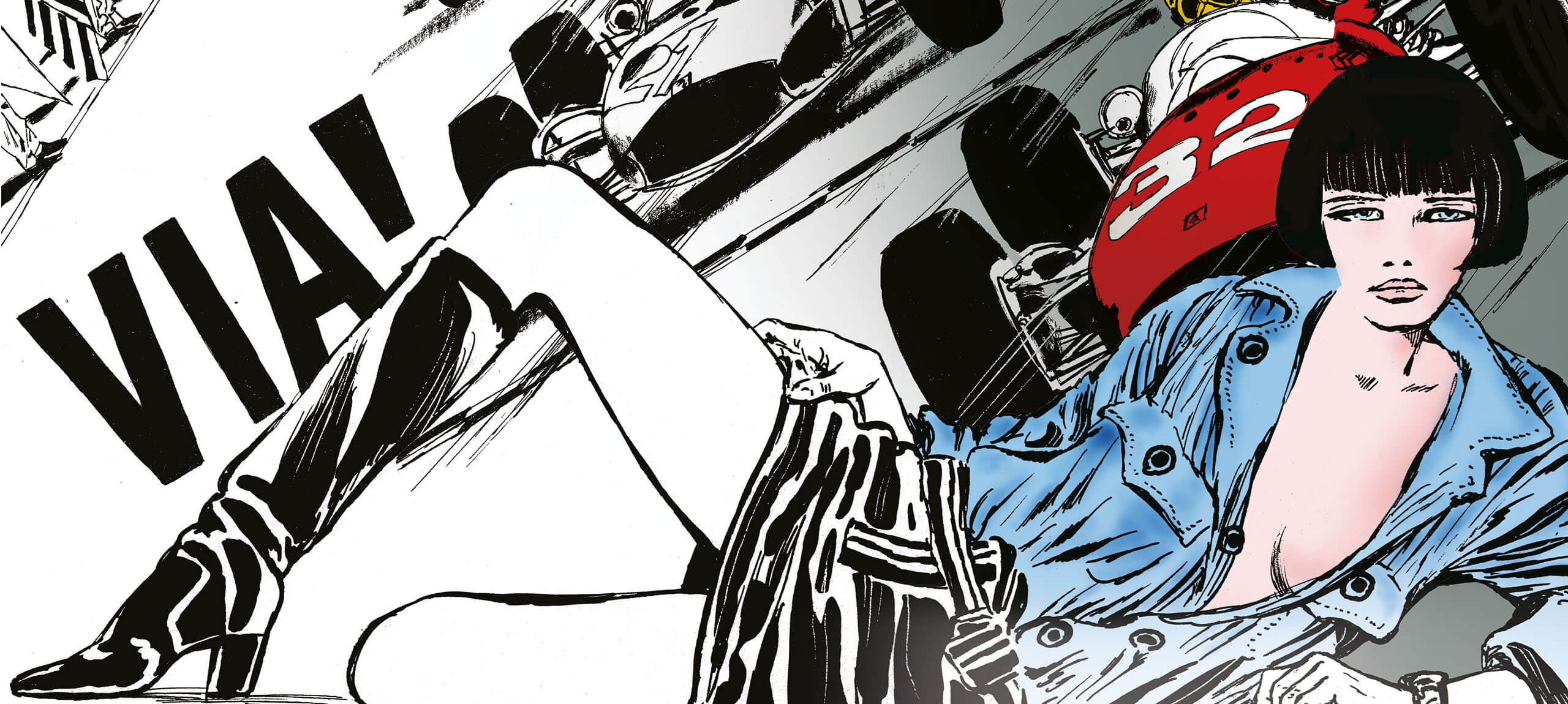

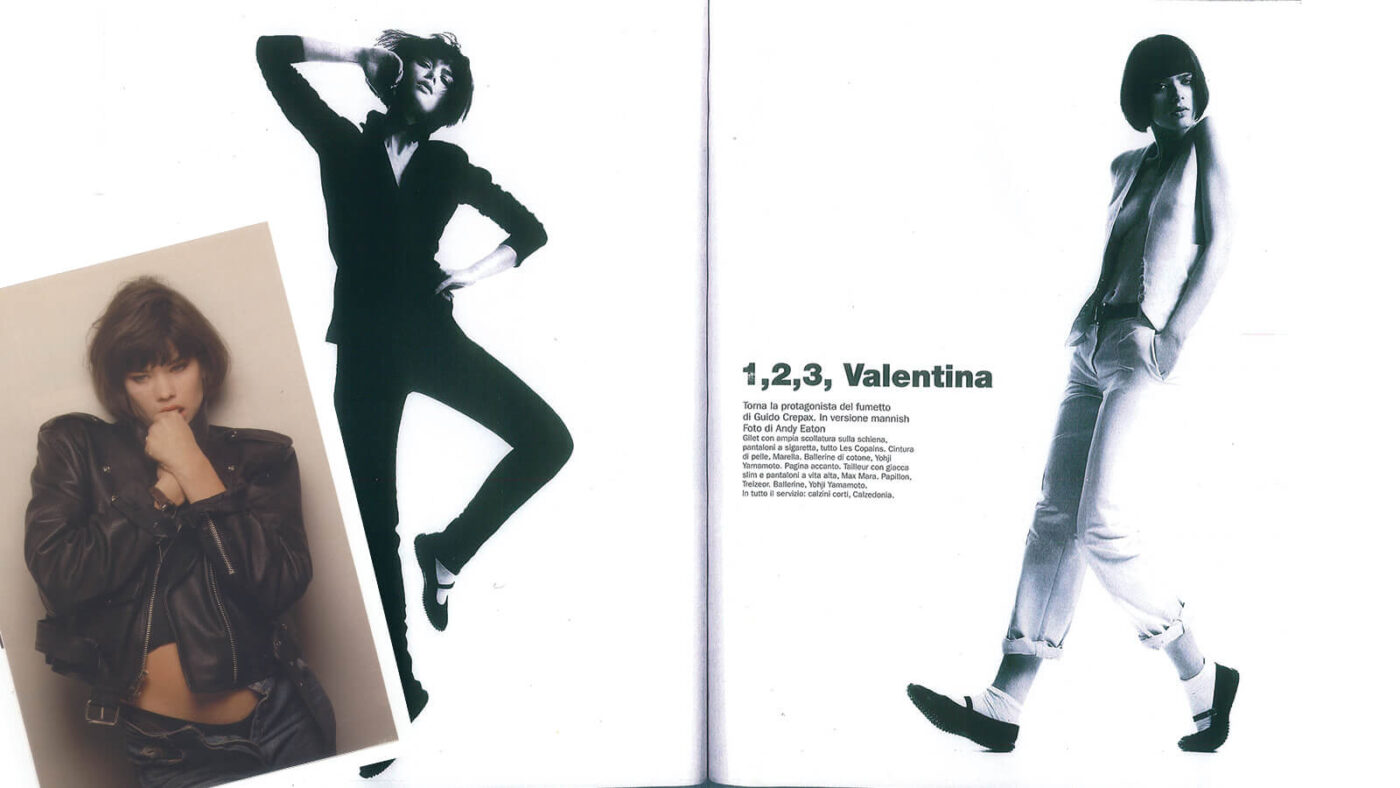
First appearing in Linus magazine in 1965, Valentina is one of the most renowned female figures in the world of comics — the only one able to shine with her own light, without the need for a male counterpart.
For this reason, she has always been admired not only by men — for whom she embodies an elegant, sensual dream — but also by women, who see in her a symbol of independence, allure and seduction.
A true icon of the 1960s and 1970s, Valentina has continued to mirror trends and sensibilities in the decades that followed. Her style, always ahead of its time, remains as relevant and striking as ever. The complexity of her personality — rich in nuances and contradictions — is one of the keys to her success. Many women have said, and still say, they recognise themselves in her.
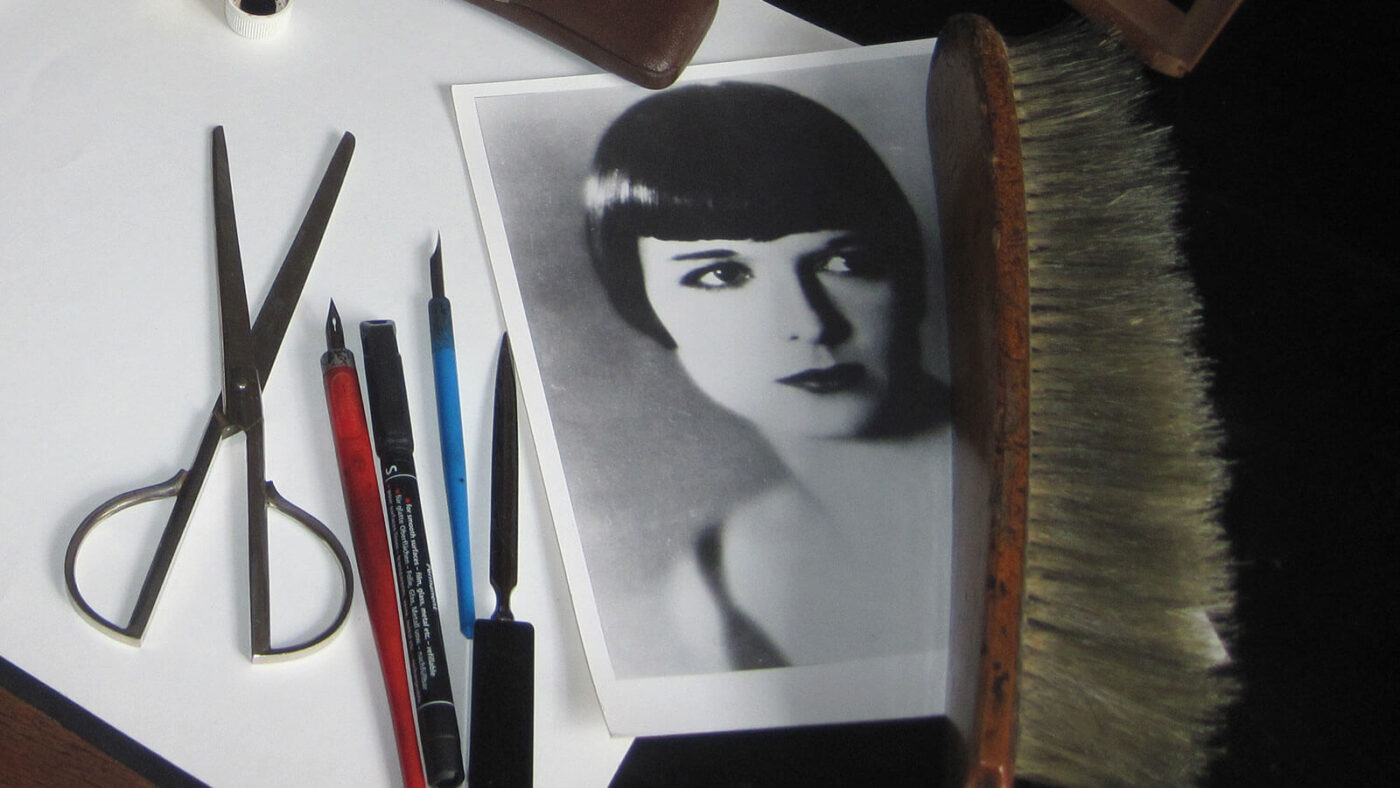
Born from a legend of silent cinema — the American actress Louise Brooks — Valentina is both a witness of her era and a timeless icon, so much so that she has outlived her creator.
This has long fuelled the curiosity of the media, cinema and television, which have adapted her stories into the 1973 film Baba Yaga and the 1989 TV series starring Demetra Hampton. And a new film project still awaits realisation.
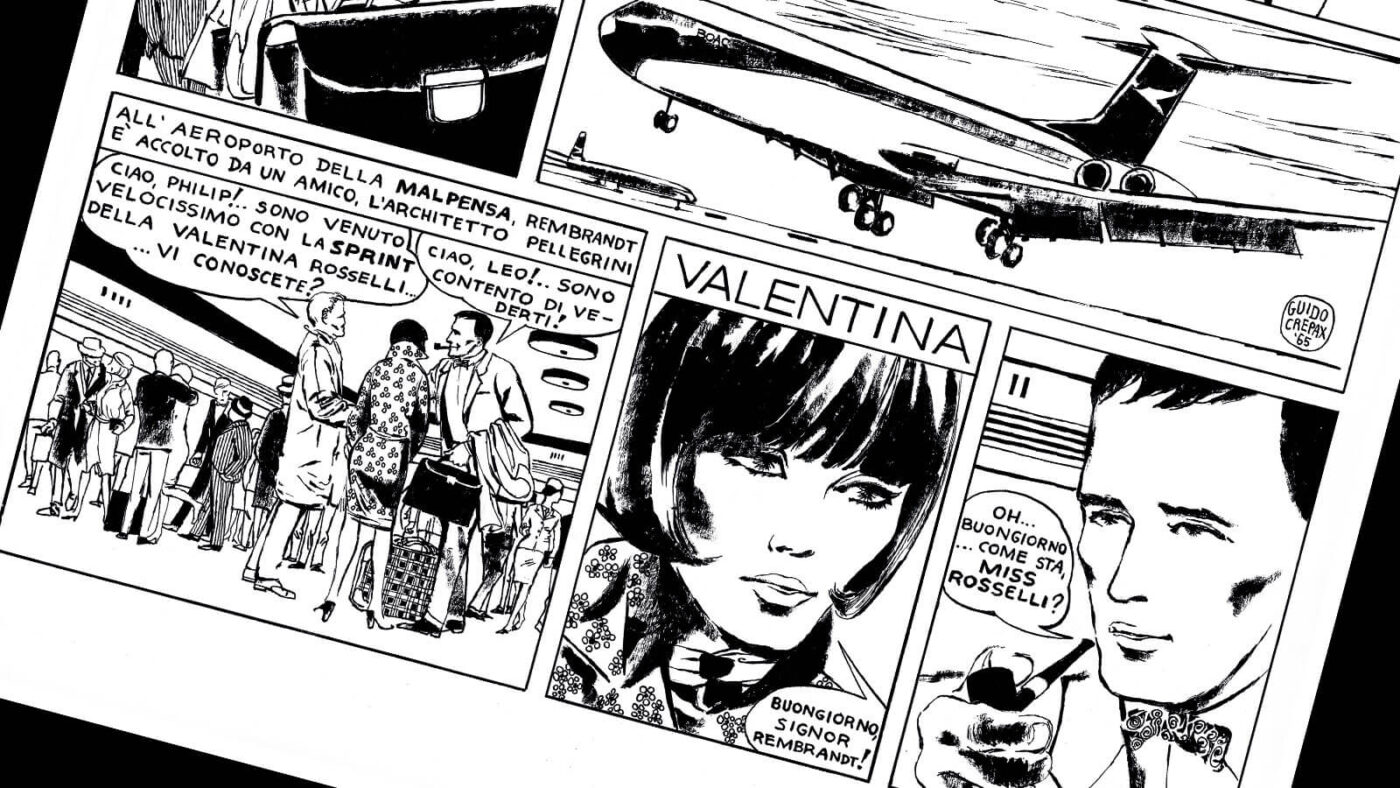
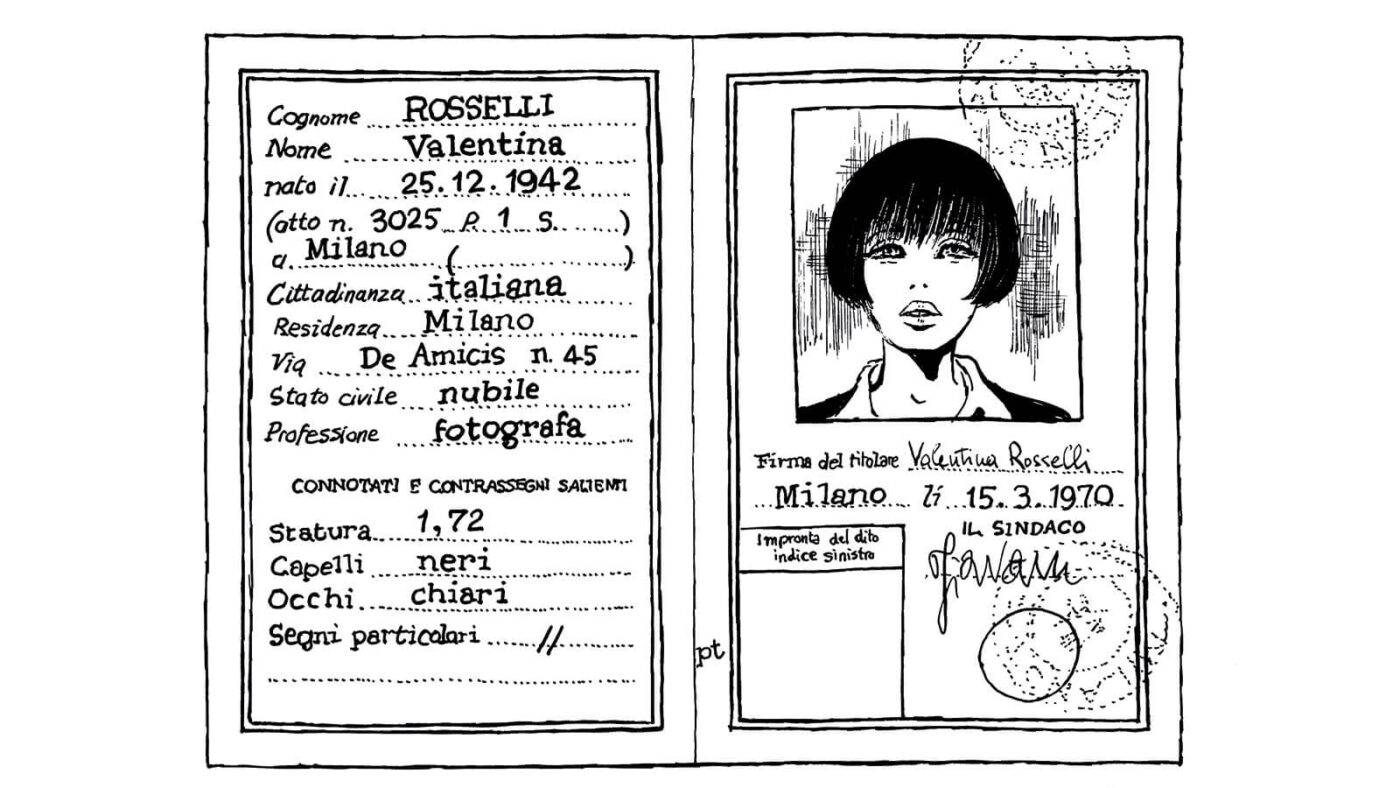
Guido Crepax was always meticulous in building a believable world around her. Her date of birth, identity card, romantic relationships, child, job, car, wardrobe, home objects — everything is real, a faithful reflection of an everyday life that could exist.
Even dreams play an important role in her universe, giving the character greater depth and bringing her closer to the psychology of a real woman.
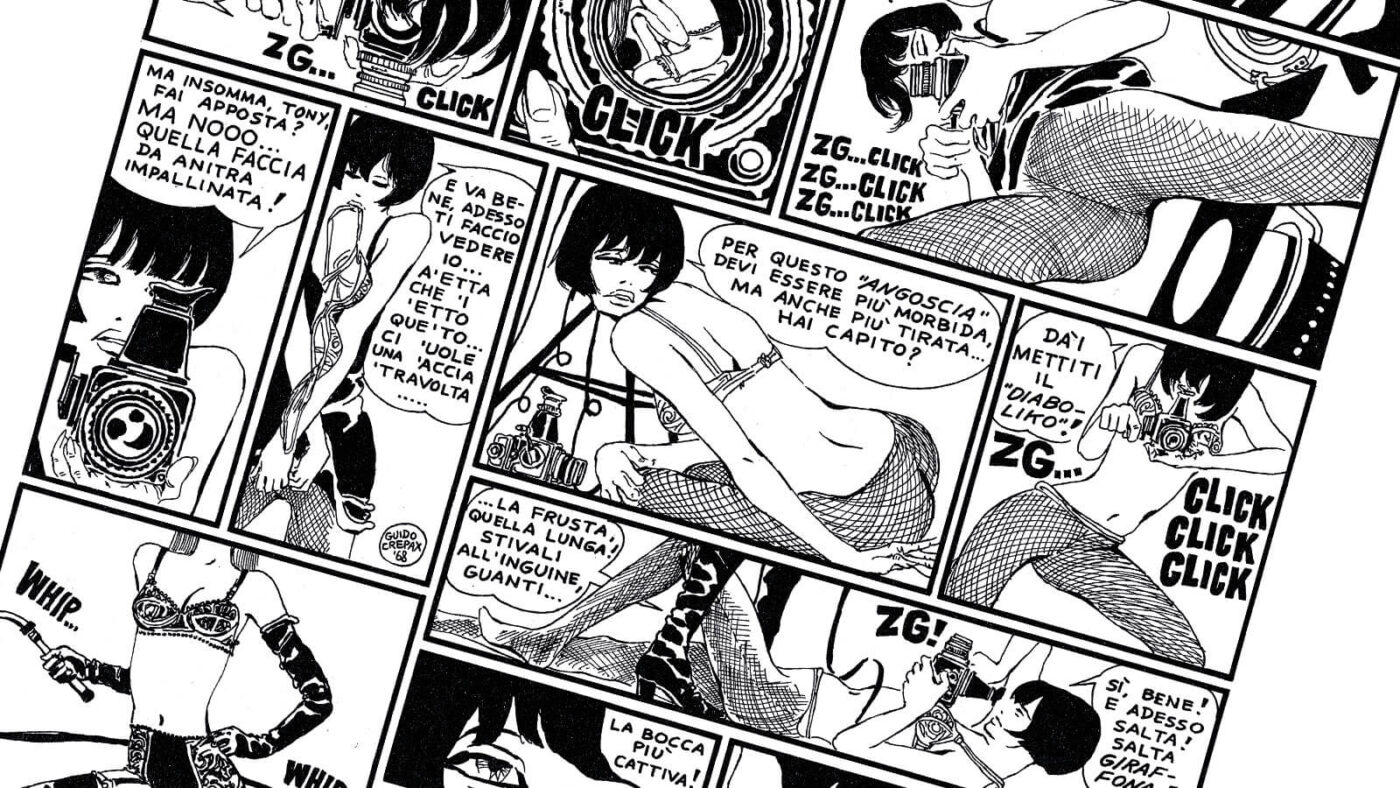
Rich with references borrowed from all forms of art, her stories owe much to cinema and photography — evident in their framing, rhythm, and page composition. Montage, close-up, sequence, cut, detail: in Valentina’s comics, everything is cinema, everything is image.
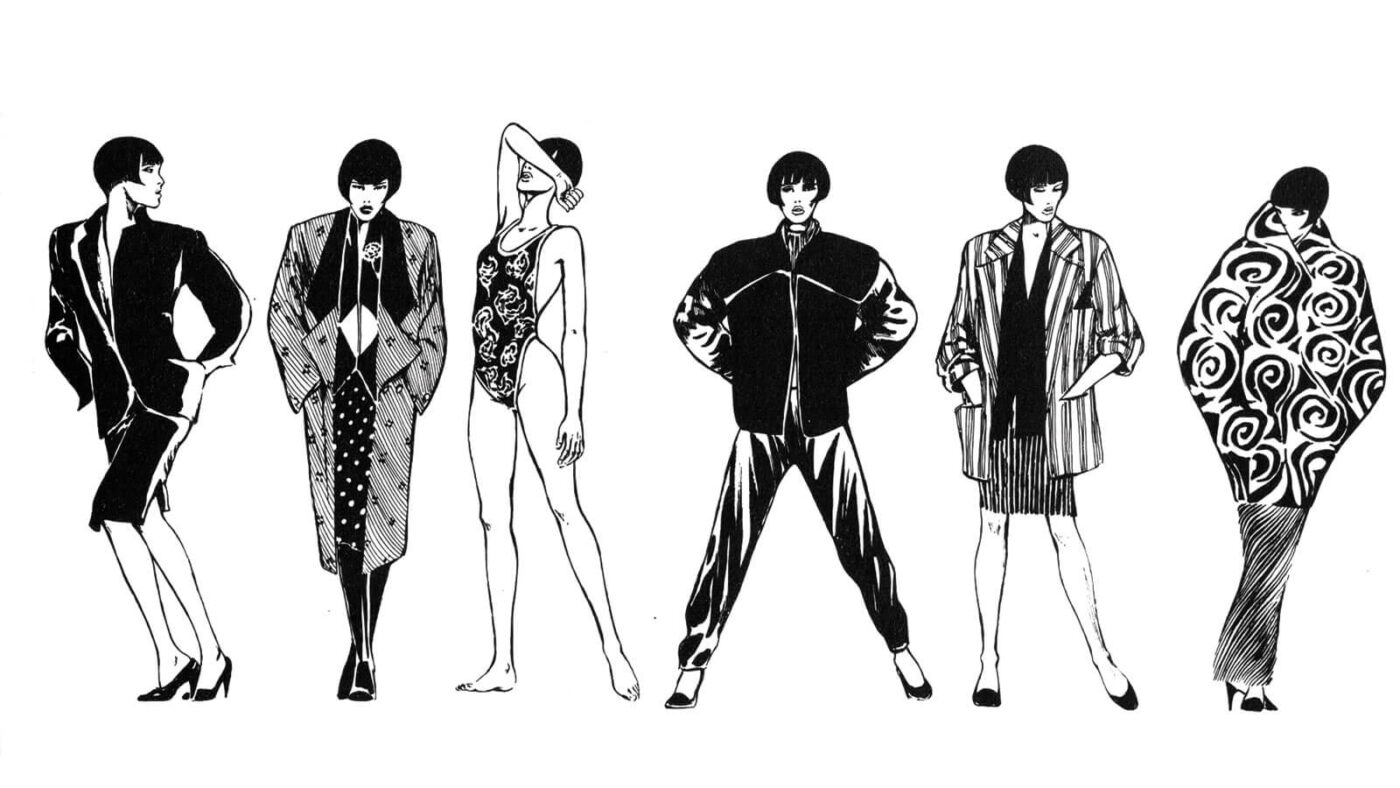
Great attention is given to accessories and details — multiple perspectives from which to reconstruct a scene where every object has its place and meaning. These elements lend both modernity and timelessness to the line and to the character herself, always in step with her era and its fashions.
Her comic stories have been published in over 200 editions across some twenty countries. In 2012, British writer Noelle Harrison — under the pen name Evie Blake — wrote Valentina in the Darkroom, the first novel in a trilogy freely inspired by the character and published in ten countries beyond Italy.
Today, Valentina embodies a timeless aesthetic that translates naturally into sophisticated and elegant forms. Her depth and restlessness have allowed her to transcend her narrative origins and be reborn as a contemporary icon — this relevance is also visible online, as evidenced by the numerous social media profiles of people who, even if they haven’t read his stories, are captivated by his image or identify with his emotional world.